By Patrick R. Dunn. WSET Level 3, former National Park Service interpretive ranger, author of Stop Leading on Empty. Founder of Vianarra, a hospitality storytelling practice.
The Man Hosing Out the Bins
|
Vianarra · Issue #19 · September 30, 2026 The Man Hosing Out the BinsThey came in a little after two on a Saturday in late September, the part of the year when flatbeds stacked with bins of picked fruit share the two-lane roads with rental cars and every winery on the road smells faintly of fruit turning into wine. It was their third stop of the day, and they had reached the point where the flights and the friendly faces behind the counters start to run together, and they had nearly driven past this one. The tasting room was half full. Someone had propped the side door open with a case of empty bottles to get some air moving, and through it they could see a slice of the working winery that most guests never get to see: a forklift parked at a lazy angle, white half-ton bins stacked two high, and a green hose snaking across concrete stained purple where the bins had dripped. The smell came in through the same door. It was the smell of Pinot Noir fermenting in open tanks, sweet and a little sour, something like cut plums and something like bread dough rising in a warm kitchen, and it had drawn every fruit fly in the county to the rims of the glasses on the counter. The young woman hosting their tasting was good at her job, and nothing that happened next was her fault. She was warm and knew the flight cold, and she walked them through it in the order printed on the card, with a sentence or two about each wine that she had clearly said a few hundred times since Memorial Day. When the wife asked what all the commotion was out back, the host laughed, said it was harvest and their busiest time of year, and reached for the next bottle. The third wine was a single-vineyard Pinot Noir. The wife held it in her mouth a moment longer than she had the others, then asked where the vineyard was, and the host said it was estate fruit and waved toward the hill behind the building, the way people wave at the weather, and moved on to the fourth. Her husband had wandered off by then. He was the kind of man who reads every plaque at a historical marker and drifts away from tour groups to look at whatever the guide isn't pointing at, and he had been watching that door since they sat down. He stood in it now with his glass. A few yards away a cellar hand was bent over an empty bin with the hose, a man of maybe fifty in black rubber boots, his forearms dyed purple to the elbow from a week of punching down the caps on the fermenting tanks. It took him a moment to notice he had company. When he looked up and saw a stranger holding a glass of the wine he had helped make, he shut off the hose, wiped his hands on his jeans, which did nothing for either one, and came over. He asked which wine it was. The husband held up the glass and said the single vineyard, the third one, and the cellar hand nodded as if he had been waiting all week for somebody to ask, and said come on, I'll show you. He walked him ten steps out onto the pad, far enough to clear the roofline, and the whole hill opened up above them, the rows running up and over the top with the leaves just starting to go yellow at the edges. He pointed to a block near the crest on the east side, where the rows ran straight up the slope, and said that was what was in the glass. They had picked it on Tuesday, starting around three in the morning under portable lights, because fruit picked cold comes into the winery cleaner and holds on to its aromatics, and he described what it was like up there at that hour with the fog lying in the rows and the crew calling to each other in the dark. That block was always the last to ripen. It held the morning fog longer than anything else on the property and lost the afternoon sun early behind the ridge, and every year the crew argued about when to call it, and every year somebody turned out to be wrong. This was his nineteenth harvest on that hill. He had planted about a third of those vines himself, back when they were sticks in the ground, and he still knew which rows had given him trouble. It took two minutes, maybe three. Then he seemed to remember where he was, apologized for his hands, turned the hose back on, and went back to his bin, and the husband stood there a while longer looking up at the hill before he went back inside. He bought six bottles of the third wine. The host rang them up and asked what had changed his mind, since he had been fairly quiet through the flight, and he said the guy outside had told him about the hill. She laughed, wrapped the bottles in paper, and wished them a safe drive home. On the counter beside the register, in a little acrylic stand, sat a stack of wine club cards with a photograph of that same hill on the front. Nobody mentioned them, and the couple walked out to the car with their six bottles, and the winery never heard from them again. The host could have told them about the hill herself. She had worked there since spring, and nobody had ever walked her out onto the pad and pointed. Most wineries have somebody like him on the property during harvest, and most guests never meet him. The wine gets described through its tasting notes and, on a good day, through its winemaker, while the people who farmed the block and picked it in the dark stay forty feet away on the other side of a door. That gap costs more than it used to. Direct-to-consumer wine shipments fell by 967,000 cases in 2025, a 15 percent drop in volume and the worst year since Sovos ShipCompliant and WineBusiness Analytics began tracking the channel in 2010. The average price per bottle shipped rose 11 percent over the same year, so fewer people are buying and the ones who stay are paying more. Silicon Valley Bank's figures this year put the average wine club membership at about 30 months, down from 36, with net club growth close to flat. The bigger loss in that tasting room was the club. A couple who has just bought six bottles because of a story is about as ready for a membership conversation as a guest ever gets, and nobody started one. I see it happen most weekends, and with members staying half a year less than they used to, every skipped ask is a member the winery has to find somewhere else. Most wineries have already raised prices about as far as their customers will go, and discounting teaches members to wait for the next sale. What a winery can still do is give people a reason to buy that has nothing to do with the price. In my experience that reason is nearly always a story, and the specific one works better than the general one: the block that ripens last, or the crew that argues every year about when to pick it. A guest who hears it leaves with a bottle and something to say about it at dinner. A club member who keeps hearing it has a reason to stay past the second year. That is most of the work I do through Vianarra. In the Unscripted Hospitality Workshops the whole team comes into the room, back-of-house included, and the first job is finding out what the cellar crew and the vineyard manager know about the place that nobody has ever told the tasting room staff. Then we work on getting it to the front, in words a host can use with a guest standing across the counter. In the Brand Narrative work, the same material goes into the club letters and newsletters members actually receive. None of it reverses a soft market, but it gives the people selling the wine something true to say about it, and that tends to show up in the club sign-ups. Nobody is going to write about the cellar hand on that crush pad. A few people who spent their lives doing the same kind of work did get their names known, and Ulises Valdez was one of them. Valdez was born in 1969 in Michoacán and went to work young after his father died. At 16, he crossed into California and joined his brother, Nicolas Cornejo, working the vineyards of the Dry Creek Valley. He started as a vineyard laborer in 1985. Later, he partnered with Jack Florence Jr. in Florence Vineyard Management, bought out Florence in 2003, and renamed the business Valdez & Sons Vineyard Management. His clients came to include Aubert, Arista, Paul Hobbs, Ram's Gate, Rivers-Marie, Schrader, Three Sticks, and Kosta Browne. Most of what he farmed consisted of small, five- and ten-acre sites, around fifty of them in total. Winemakers respected him because he told them plainly what he thought about the grapes he grew. Jeff Cohn of Jeff Cohn Cellars put it in two sentences: "There were never leaves. The fruit was always clean." Valdez came to own and live on Silver Eagle, a fog-influenced vineyard atop Stoetz Ridge in the Sonoma Coast appellation. An old oak stood in the middle of it. He called it the Lucky Tree and refused to cut it down, so the vines were planted around it. He also wanted to tell the story. A Vinous writer who visited in 2015 expected to talk while they walked the vines. Valdez was leaning against his dusty white pickup and launched into his life story before the writer was even out of the car. "You want to hear my story?" he asked. He died of a heart attack in September 2018 at age 49. His two sons took over the vineyard management company. His daughter Elizabeth, who had become winemaker for the family brand in 2016, kept the winemaking going. In the Glass 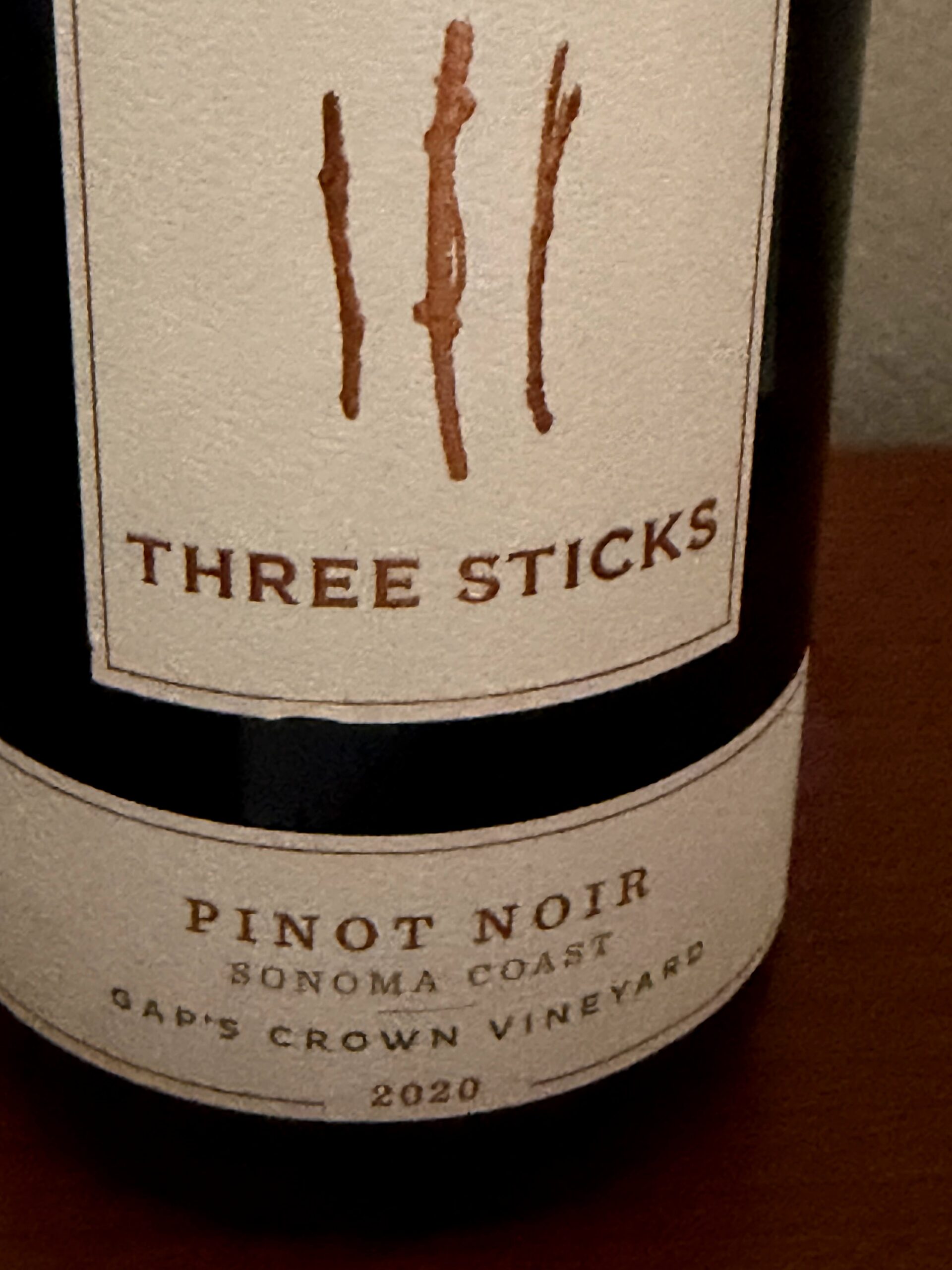
Three Sticks 2020 Pinot Noir, Gap's Crown Vineyard, Sonoma Coast. The vineyard sits on the western slope of Sonoma Mountain, where wind and fog pull through the Petaluma Gap. Author's note: The tasting room scene is a composite built from scenes experienced across small wineries during harvest, consolidated into a single afternoon for the purpose of storytelling. Sources: Wine Spectator; San Francisco Chronicle; The Press Democrat; North Bay Business Journal; Vinous, "Grower Profile: Ulises Valdez," September 2015; Three Sticks Wines; Sovos ShipCompliant and WineBusiness Analytics, 2026 Direct-to-Consumer Wine Shipping Report; Silicon Valley Bank, 2026 wine industry data.
|
Vianarra: Hospitality Storytelling for Wineries, Hotels, and Restaurants
By Patrick R. Dunn. WSET Level 3, former National Park Service interpretive ranger, author of Stop Leading on Empty. Founder of Vianarra, a hospitality storytelling practice.
VIANARRA Issue #18 · September 23, 2026 The story found along the way Please Visit Our Website By Patrick R. Dunn What came in the mail I joined a new wine club recently. The welcome email arrived the same day. It said I was receiving it because I had just become a member, gave the name of my membership level, and asked me to visit the winery's website. It was signed by the corporation. That was the welcome. I belong to more clubs than I should, and this season I went back through what they...
A hospitality storytelling newsletter for winery owners, winemakers, tasting room managers, boutique hotels, inns, and independent restaurants, about the story a property already has. The owner was at the bar Issue #17 · Wednesday, September 16, 2026 Bacigalupi 65th Anniversary Goddard Ranch Pinot Noir, carried in to La Famiglia, Reno. Somewhere in the first half hour our server mentioned that the owner was from Maine, which in Reno is not a small piece of information. I grew up in West...
A hospitality storytelling newsletter for winery owners, winemakers, tasting room managers, boutique hotels, inns, and independent restaurants, about the story a property already has. The staffing decision made in August Issue #16 · Wednesday, September 9, 2026 Kayla at Scott Harvey Winery, Shenandoah Valley, on a club pickup day over Labor Day weekend. The third stop was five minutes from the second and we didn't arrive cold. We came in with two people we'd just spent an afternoon with, who...