By Patrick R. Dunn. WSET Level 3, former National Park Service interpretive ranger, author of Stop Leading on Empty. Founder of Vianarra, a hospitality storytelling practice.
We walked in with locals and bought nothing
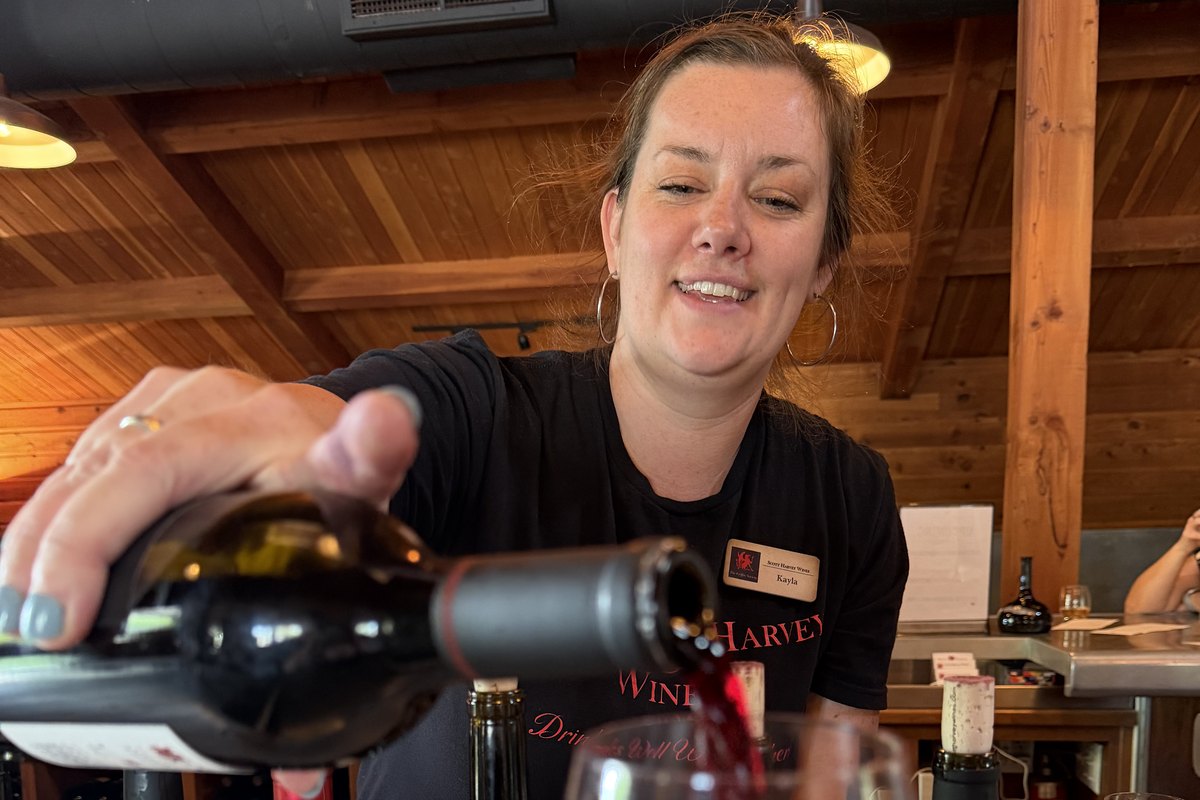
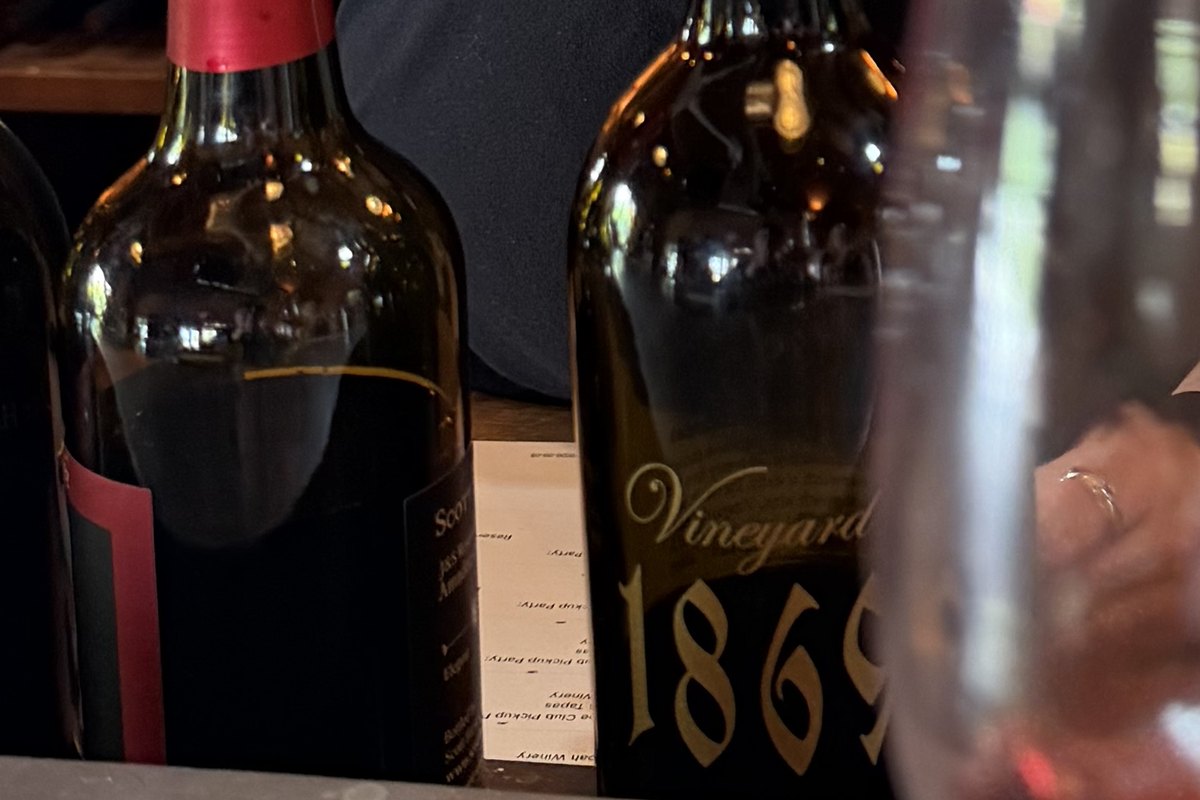
The third stop was five minutes from the second and we didn't arrive cold. We came in with two people we'd just spent an afternoon with, who knew the valley and were happy to be there. Saturday of the first weekend in September, room full, wines decent. Tasting notes, then the backstory of each wine. Nothing asked of us. We left without buying anything. That's a winery being handed the hardest thing in the business to manufacture. Warm visitors, walked through the door by locals, three hours into a good day and inclined to like whatever came next. The room did nothing with it. It was our first trip to Amador County. Three stops there over the weekend and one in Placer County on the way home. Two of the four ran the same way. Earlier that SaturdayThe first stop went the same way. Someone poured, someone read the sheet out loud in slightly different words, someone asked if we wanted to buy anything on the way out. The person helping on the floor because the room was slammed didn't know the wines. Not the site, not the vintage difference, not why the pour in front of me sat differently than the one before it. She apologized and moved on. She was the wine club manager. I'm not naming either of the two. The point isn't which winery, and a room that gets it wrong on a holiday Saturday can fix it by October. That isn't a person failing either. Somebody decided in August that holiday coverage meant putting whoever was available in front of whoever walked in. The person whose entire job is club retention spent the busiest weekend of the year in front of prospects with nothing to convert on. The second stopScott Harvey Winery had a club pickup day stacked on the holiday, which is harder than a busy Saturday. Members were collecting allocations and expecting the attention they pay for. Every reasonable triage rule says process the walk-ins and get back to the members. Our host was Kayla. Two or three pours in she stopped following the list, because she had been watching how I was drinking. I take small sips and hold a glass longer than most people do. She read it and started pouring older vintages of Vineyard 1869 next to the current release, then wines that weren't on the tasting menu at all.
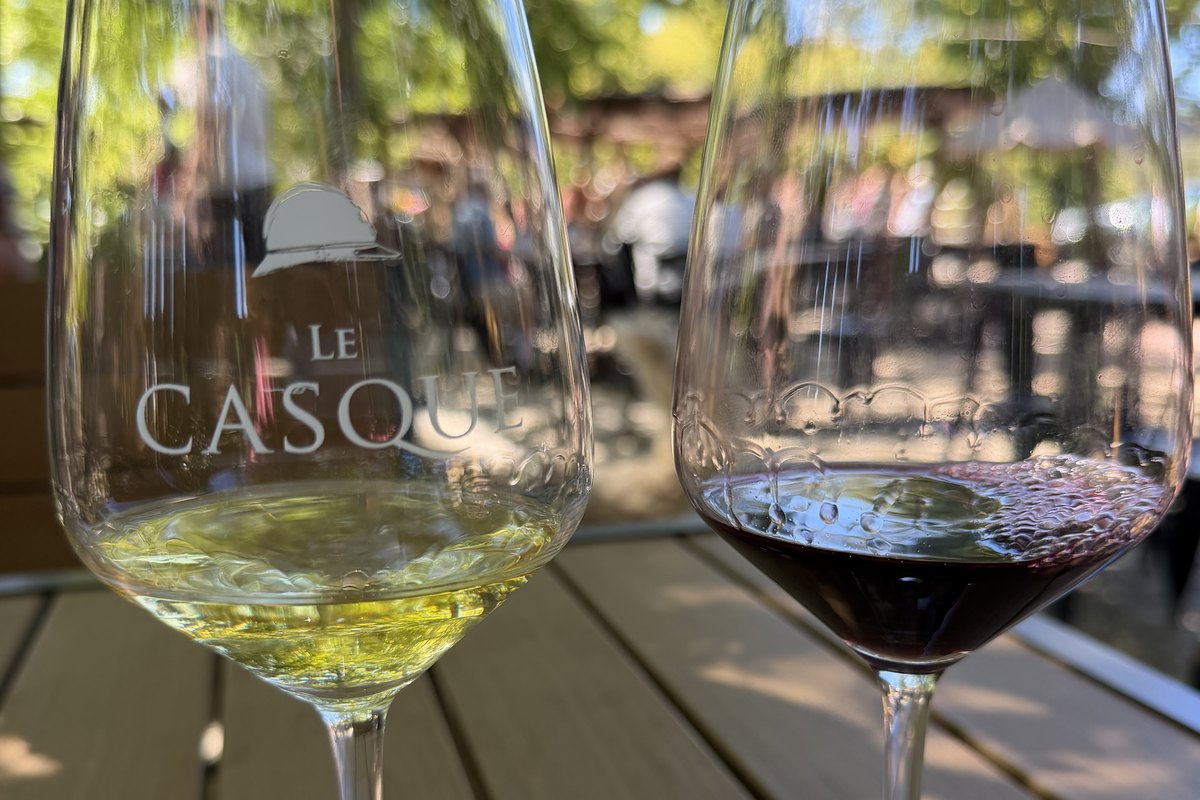
Vineyard 1869 is the Harvey Vineyard in Shenandoah Valley, documented as existing in 1869 and accepted as America's oldest documented Zinfandel planting. Head-pruned, dry-farmed, through phylloxera and then Prohibition, bought by Scott Harvey in 1984. A room could spend an hour on that story. Kayla spent about a minute and let three vintages sitting next to each other do the rest. Then she made the club ask, which neither of the other two rooms got close to. It came out that I'm in the trade and already take an industry discount, which is the objection that ends most club conversations right where they start. She didn't drop it. She moved to the industry club. That's the operational point. The ask survived an objection because the person making it knew the club programs well enough to find a second door. It isn't charisma and it isn't a personality type. It's product knowledge held by someone trained on it and then trusted to improvise with it in front of a guest. We didn't join, but only because we're maxed on clubs. With room we'd have signed that afternoon. We bought bottles instead. Sunday, in a different countyStanding near us at Kayla's counter were Cinder and her partner Carlo. Cinder is a tasting room associate at Le Casque in Loomis, Placer County, roughly an hour northwest of where we were standing. She had driven out of her own region on her own weekend to taste somebody else's wine. We got talking because Kayla had made the room the kind of place where people talk. Cinder and Carlo took us to the third stop that afternoon, and Cinder told us to come by Le Casque. We stopped there Sunday on the way home to Reno. Their tasting room sits on the Flower Farm property outside Loomis, on the Placer Wine Trail, and they make Rhône and Bordeaux-style blends, a long way from Amador Zinfandel and part of why we went. She remembered we were coming. She waived our tasting fee. We left with two cases. One for us, one for friends.
The weekend ledger: bottles at Scott Harvey, two cases at Le Casque, nothing at the other two. The third stop had the best conditions of the four and finished level with the first. The market didn't do thisThe August 2026 DTC snapshot from Enolytics and WISE found tasting room teams converting visitors to club members at a much better rate, against an 8.4% drop in August visitors during peak season. Order value gains are masking volume erosion, with cases sold down 3.3% for the month. Fewer people are arriving, so each arrival carries more weight than last year. The wider picture has the same shape. Silicon Valley Bank's 2026 DTC report shows top-performing wineries growing revenue 22% in 2025 while bottom performers fell 13%, with the median winery flat. Commerce7 reservation data across 363 wineries shows visitation sliding roughly 2% year over year with no recovery in sight, and the decline crosses regions and winery types. Lower-performing wineries name tasting room renovations as their primary strategy at 2.3 times the rate of top performers, which the SVB report treats as a misdiagnosis. Four wineries, two counties, one AVA, one weekend, one soft market. All four rooms were fine as rooms. The variable was who was standing on the floor and what that person had been given to work with. What the third stop lostTraffic quality wasn't the problem there. Referral wasn't the problem. Two locals walked a warm party into that tasting room on a busy Saturday, which is the outcome most marketing budgets exist to buy, and the room ran the script it would have run for anybody. That's the failure worth holding onto, because it never surfaces anywhere. The first stop can tell itself the holiday crowd was cheap. The third stop has no such story available and will never know it had a case sale standing in the room. The referral also crossed a county line. Kayla's hour on a Saturday in Shenandoah Valley moved two cases in Loomis on a Sunday, and Le Casque spent a waived tasting fee to get it. That routing only exists in rooms where guests are talking to each other, and whoever is pouring sets that condition. Kayla found a club structure that worked on a guest who already had a discount, on the busiest day of her quarter. Cinder waived a fee for people she'd met once the day before. Both of those are calls an associate is either trained and trusted to make or isn't. A different subject, and a standing one here. The stories a tasting room has to work with come from the people making the wine, which is what the next part is for.
Sources: Enolytics and WISE, August 2026 DTC Snapshot. Silicon Valley Bank 2026 Direct-to-Consumer Wine Report, reported by Forbes, June 2026.
|
Vianarra: Hospitality Storytelling for Wineries, Hotels, and Restaurants
By Patrick R. Dunn. WSET Level 3, former National Park Service interpretive ranger, author of Stop Leading on Empty. Founder of Vianarra, a hospitality storytelling practice.
A hospitality storytelling newsletter for winery owners, winemakers, tasting room managers, boutique hotels, inns, and independent restaurants, about the story a property already has. The owner was at the bar Issue #17 · Wednesday, September 16, 2026 Bacigalupi 65th Anniversary Goddard Ranch Pinot Noir, carried in to La Famiglia, Reno. Somewhere in the first half hour our server mentioned that the owner was from Maine, which in Reno is not a small piece of information. I grew up in West...
Vianarra A hospitality storytelling newsletter for winery owners, winemakers, tasting room managers, boutique hotels, inns, and independent restaurants, about the story a property already has. Nobody in Matera Has Heard of Freeman Tilden Issue #15 · Wednesday, September 2, 2026 A hospitality storytelling newsletter for winery owners, winemakers, tasting room managers, boutique hotels, inns, and independent restaurants, working with owners and their teams on the story a property already has. A...
Vianarra The Best Host I Met Works for a School District Issue #14 · Wednesday, August 26, 2026 The vineyard outside the tasting room. He told me the soil had to be trucked in. He pours on weekends. During the week he works for a school district, and there is nothing in his background that would put him near the top of a stack of applications for a tasting room floor. I do not know how he came to be standing behind that tasting room counter. Of everyone I met over two days in six tasting...