By Patrick R. Dunn. WSET Level 3, former National Park Service interpretive ranger, author of Stop Leading on Empty. Founder of Vianarra, a hospitality storytelling practice.
The bottle we always bring
| November 13, 2026 | ||||||||||||||||||||||||||||||||||||||||||||||
|
This is the Thanksgiving issue, and it starts with the other one, the dinner with friends that so many of us now hold the weekend before or after. It ends with a winemaker from Catalonia who looks after a family’s Zinfandel that was first bottled in 1949. In between is what to pour with each dish, a quiz, and the first Second Glass question for Pour Story Society readers. | ||||||||||||||||||||||||||||||||||||||||||||||
|
Wine 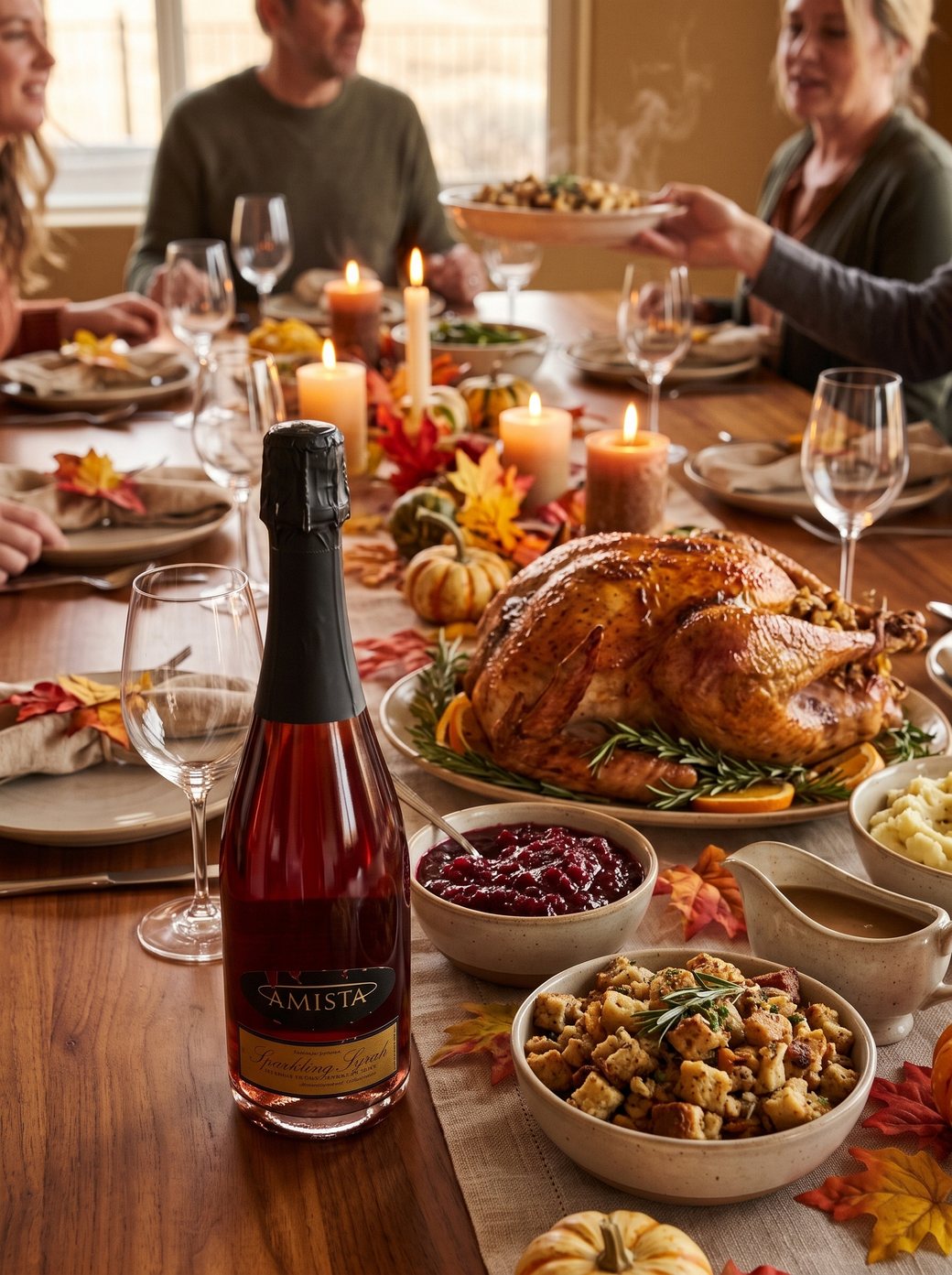
Illustration generated with AI. The Bottle We Always BringFriendsgiving, where the word came from, and the Dry Creek Valley wine that has been on the table every year since 2019 In the fall of 2019 I was living in Foster City, a town on the bay side of San Mateo County that didn’t exist until the 1960s, when a developer named T. Jack Foster and his sons pumped millions of cubic yards of sand into the tidal marsh of Brewer Island and built a city on top of it, with lagoons where the sloughs used to be. It is a pleasant place to live and a hard place to feel rooted, and most of the people I knew there had come from somewhere else and planned on leaving for somewhere else again. That fall was also my first one single after thirty years of marriage, and the divorce was still new enough that the holidays ahead looked long. Most of the friends I had were a two-hour drive north, in Sonoma County and Windsor, people I had known for a year or less, and I spent every weekend I could on 101 going to see them. So when they invited me to something they called Friendsgiving, the Saturday before the real one, I said yes before they finished the sentence. The instructions were the kind that come with these things: bring a dish if I felt like it, bring a bottle, and don’t worry about it. I worried about it anyway. I settled on a bottle from Amista, a small winery on Dry Creek Road that my Sonoma friends had sent me to, partly because I liked the wine and partly because of what the name means, which is loosely the Spanish for making friends. It seemed like the right thing to carry through the door of a house full of people I barely knew. The kitchen windows were fogged by the time I got there, and the turkey was running late, the way turkeys have run late at every Thanksgiving in the history of the country, so the bottle got opened early and passed around while people stood at the counter with their coats still on. A couple of us were newly divorced, some of the guests were gay, some had only just moved to Sonoma County, and others lived too far from home to get there for a long weekend. The one thing everybody in that kitchen had in common was the wine, and it gave a room full of near strangers something to talk about. Somewhere between the first glass and the carving, somebody asked who had come up with the word Friendsgiving in the first place. Nobody knew. Everyone had a theory, and most of the theories involved a television show. Read the full story | ||||||||||||||||||||||||||||||||||||||||||||||
|
Travel · The region Where it isDry Creek Valley runs northwest from Healdsburg in northern Sonoma County, about an hour and a half north of San Francisco. 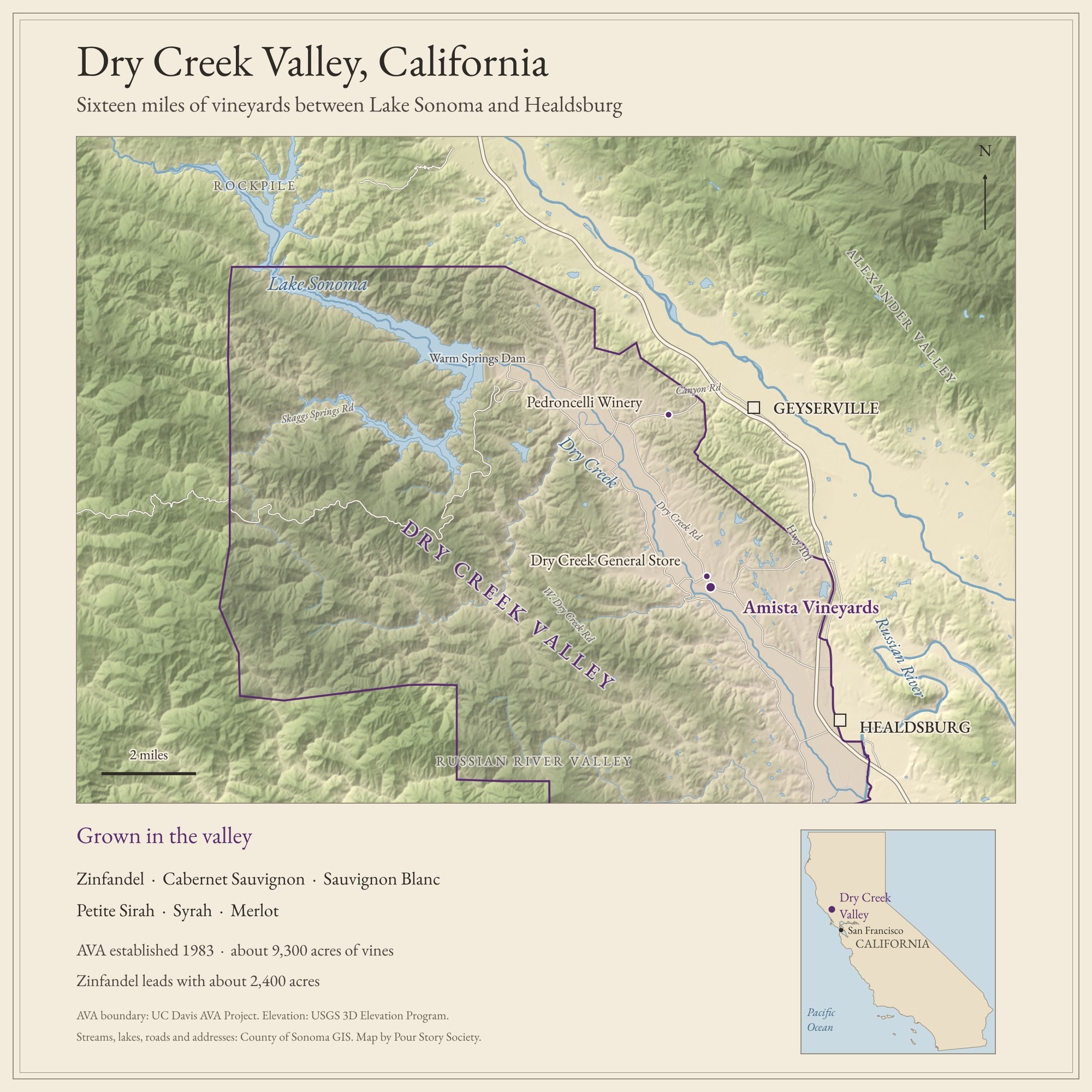
AVA boundary: UC Davis AVA Project. Elevation: USGS. Streams, lakes and roads: County of Sonoma. Tap the map to see it full size. If you goAmista is at 3320 Dry Creek Road, and the sparkling flight is the one to book. Stop at the Dry Creek General Store up the road for a sandwich, then drive north to Pedroncelli in Geyserville, where Montse Reece, this issue's winemaker, makes the Zinfandel. Healdsburg is ten minutes from Amista and has the most places to stay and eat. The valley is quieter in late fall, with the vines going gold and red after harvest, and most tasting rooms ask for a reservation. | ||||||||||||||||||||||||||||||||||||||||||||||
| ||||||||||||||||||||||||||||||||||||||||||||||
|
Wine · This issue's bottle 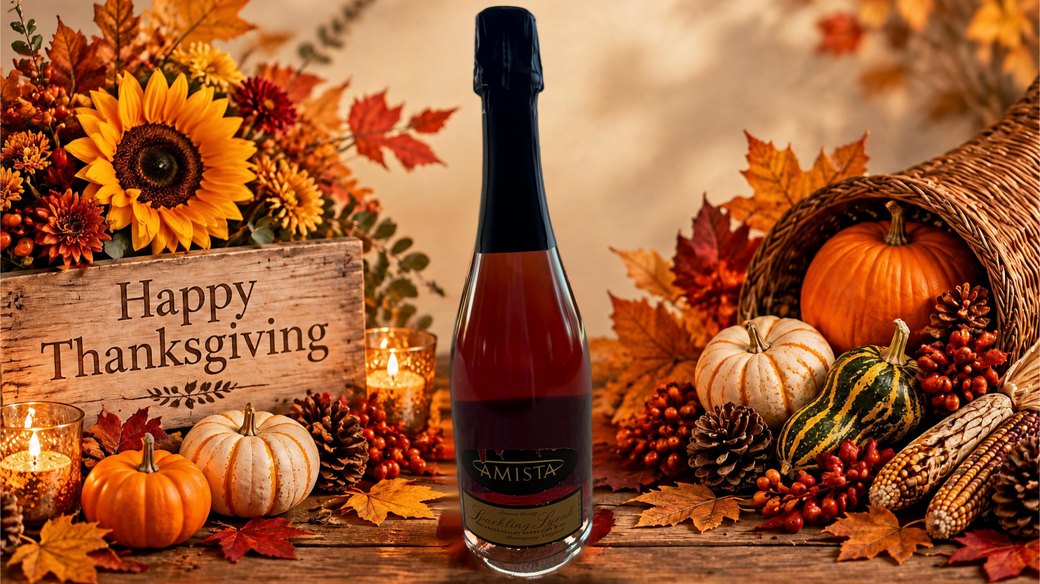
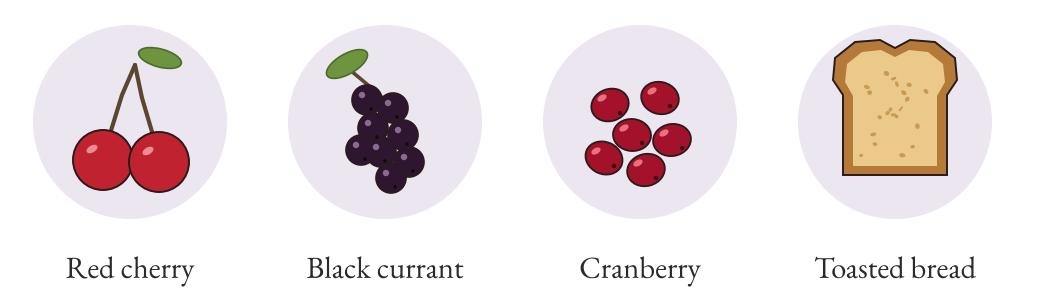
Photo illustration by Patrick R. Dunn. Amista Sparkling Syrah, Morningsong VineyardsSyrah, traditional method, Dry Creek Valley, Sonoma County It pours a light garnet, somewhere between a rosé and a red, with a fine, steady stream of bubbles. The fruit is cherry, black currant and cranberry, with a little toasted bread from its time aging on the yeast in the bottle, and it's dry, with enough tang to wake up a plate that has turkey, gravy, and stuffing all on it at once. Those are the flavors I tend to find in it. Somebody else at the table may taste something different, and that’s fine, because their palate is the one doing the tasting. What doesn’t change is what it does at Thanksgiving. From the cranberry sauce to the stuffing to the dressings and every side dish on the plate, it brings the flavors out and makes them bigger, and the first time I tried it with the whole meal, all I could say was wow.
It's sold on the Amista Vineyards website and at the winery's tasting room on Dry Creek Road. | ||||||||||||||||||||||||||||||||||||||||||||||
|
Food · At the table A Bottle for Every DishThe hardest meal of the year to pair, one plate at a time Thanksgiving puts sweet, tart, salty, and rich on the same plate and asks one wine to handle all of it. The wines that come closest have good acidity, not much oak, and some red fruit, and the Amista Sparkling Syrah has all three, plus bubbles that cut through the butter and gravy. Here is how it works dish by dish, along with an easy-to-find bottle for each one in case the Amista runs out before the pie does. Every backup wine below is easy to find at most grocery stores and wine shops.
| ||||||||||||||||||||||||||||||||||||||||||||||
|
Travel · Thanksgiving out Bringing the Bottle to DinnerWhat to know before carrying a favorite wine into a restaurant or hotel dining room This year my Friendsgiving moves out of the kitchen and into a restaurant in Reno, and the Amista is coming along. Plenty of families eat Thanksgiving out now, and a bottle from home can come to the table too, as long as it arrives the right way. Call ahead and ask whether the restaurant allows outside wine and what it charges to open it, a fee called corkage that varies a lot from place to place. Bring something that isn’t already on their list, since pouring a bottle they sell is a little like a guest showing up with a turkey. A sparkling wine should arrive cold, and most dining rooms will keep it in an ice bucket until the food comes if someone asks when the reservation is made. Offering the server a taste is a small courtesy that usually comes back as good service, and servers notice a tip that takes the wine into account along with the food. How the night goes at the Atlantis is a story for the next issue. | ||||||||||||||||||||||||||||||||||||||||||||||
|
The Second Glass · November 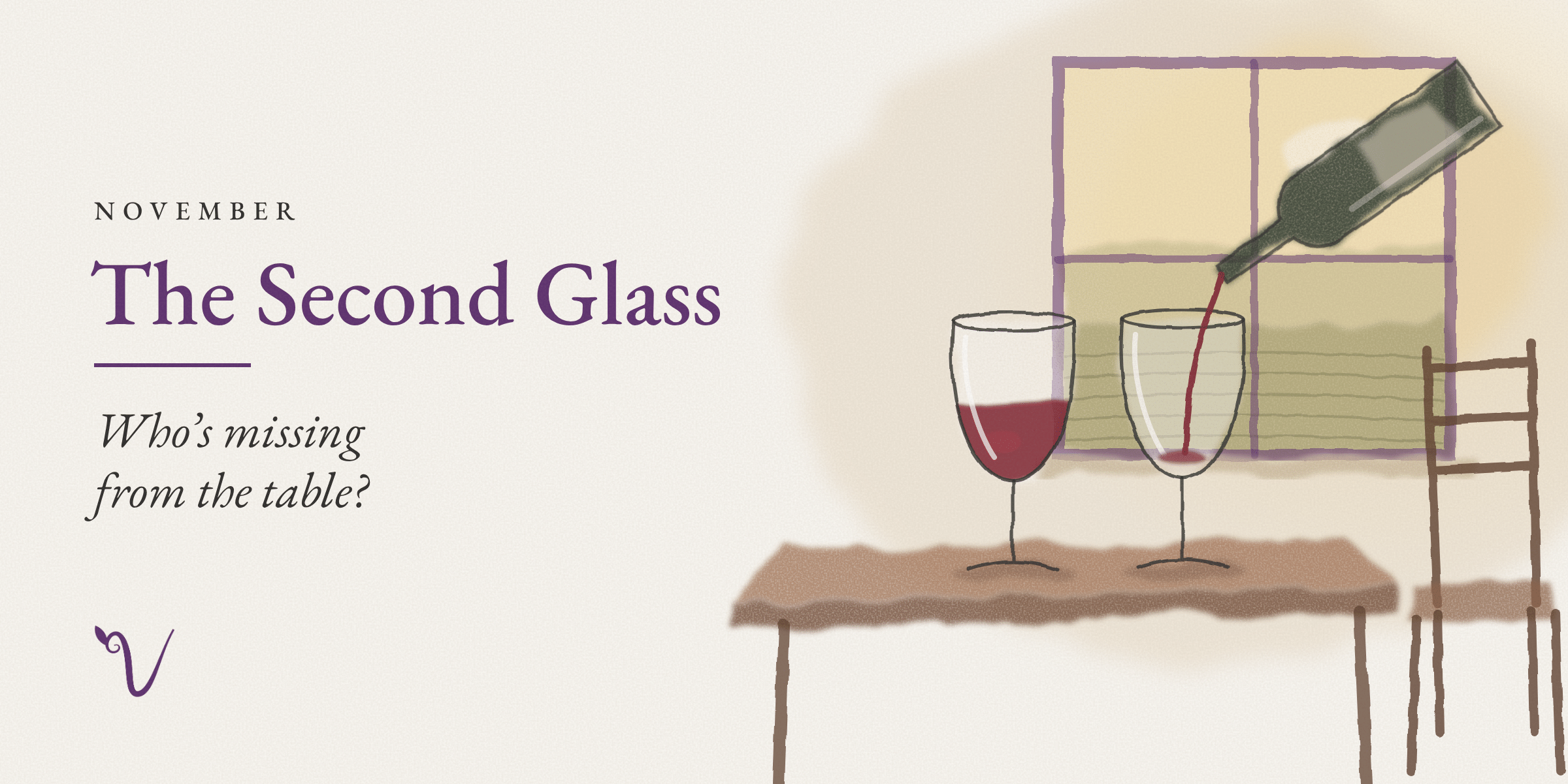
The Second Glass is a new feature that runs here and in my weekly Vianarra newsletter. It takes its spirit from Karen MacNeil, who started Come Over October in 2024 with Kimberly Charles and Gino Colangelo to get people inviting friends over to share a bottle. Each month has one question, and November’s belongs at the Thanksgiving table. Who’s missing from your table this year?Most Thanksgiving tables have a chair somebody used to sit in. It might belong to a parent or grandparent who is gone now, a friend who moved across the country, or someone spending the holiday in a hospital bed or a care home. Pouring a second glass for that person is a small thing to do, and it usually gets the table telling the stories it only tells once a year.
| ||||||||||||||||||||||||||||||||||||||||||||||
|
Wine school Thanksgiving Wine Quiz
🛢️ Making wine 1. In the traditional method, the way Champagne and Amista's sparkling wines are made, where does the second fermentation that creates the bubbles happen? A. In a pressurized steel tank 🍇 Grapes and places 2. Beaujolais Nouveau arrives every November, a week before Thanksgiving this year. What grape is it made from? A. Pinot Noir 🍷 In the glass 3. True or false: a bottle of sparkling wine holds about three times the pressure of a car tire. 🍽️ At the table 4. True or false: tart cranberry sauce can make a soft, low-acid wine taste flat. 🎩 Wine people 5. In the 1840s, Nicholas Longworth made the first American sparkling wine to win wide fame, from the Catawba grape. Where was it made? A. Napa, California Answers at the bottom. | ||||||||||||||||||||||||||||||||||||||||||||||
|
Meet the Winemakers
| ||||||||||||||||||||||||||||||||||||||||||||||
| ||||||||||||||||||||||||||||||||||||||||||||||
|
Wine school · Answers 1. B, in the bottle. A little yeast and sugar go into a finished still wine, the bottle is capped, and the carbon dioxide from the new fermentation has nowhere to go but into the wine. Tank-made sparkling wine, like most Prosecco, does the same thing in a big pressurized tank. 2. B, Gamay. Beaujolais Nouveau is released on the third Thursday of November, which falls on November 19 this year, one week before Thanksgiving. 3. True. A bottle of Champagne-method sparkling wine holds about 90 pounds per square inch, roughly three times what's in a car tire, which is why the glass is so thick and the cork is caged in wire. 4. True. Tart food makes wine taste less acidic, so a soft wine can turn dull next to the cranberries. Wines with more acid of their own, like sparkling wine, Pinot Noir, and Beaujolais, hold up. 5. B, Cincinnati, Ohio. Longworth's Sparkling Catawba came from vineyards along the Ohio River, and in 1854 Henry Wadsworth Longfellow, born in Portland, Maine, wrote a poem in its praise called "Catawba Wine." | ||||||||||||||||||||||||||||||||||||||||||||||
|
Have a question about what to pour on Thanksgiving? Hit reply and ask. I read every one. See you in two weeks. Patrick R. Dunn | ||||||||||||||||||||||||||||||||||||||||||||||
|
Know someone who'd enjoy this? Forward it along. |
Vianarra: Hospitality Storytelling for Wineries, Hotels, and Restaurants
By Patrick R. Dunn. WSET Level 3, former National Park Service interpretive ranger, author of Stop Leading on Empty. Founder of Vianarra, a hospitality storytelling practice.
Issue 25 · November 11, 2026 Forwarded this? Subscribe to Vianarra, free In this issue Two Sentences About the Fog A steakhouse bar and a Pinot nobody had ordered Where Would You Send Me? For hoteliers, only in this email The Guest Who Came for the Company The quiet one at the holiday tasting counter The Strand Keeps Its Name A 125-year-old hotel in Yangon changes hands The Second Glass A new weekly feature, and a thank-you to Karen MacNeil Tom Croghan He picked on a hunch, and the rain came...
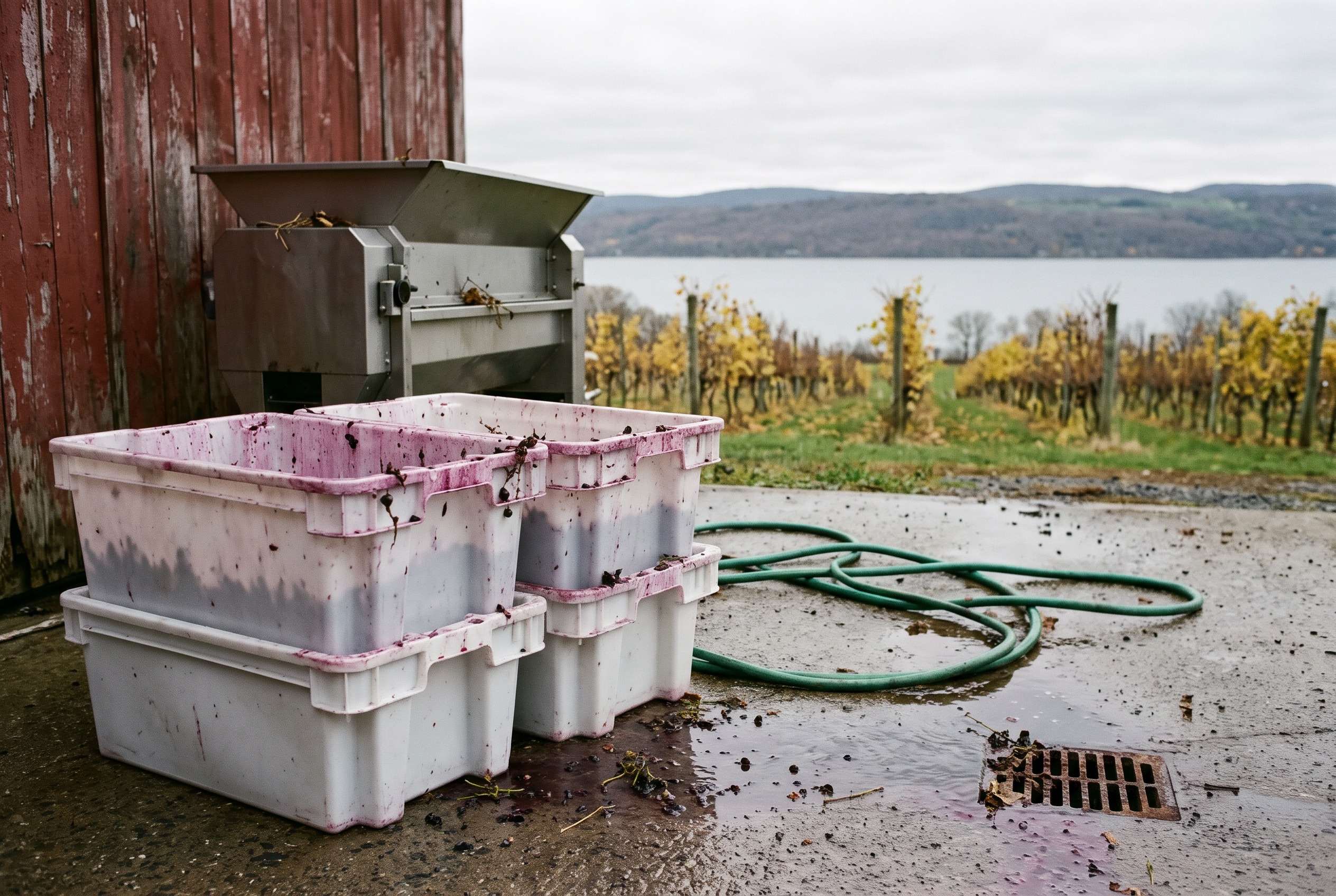
Issue 24 · November 4, 2026 Forwarded this? Subscribe to Vianarra, free This Week The Answer Out Back Where the harvest story lives in November, and how it reaches the people pouring the wine This issue is about what happens when a guest asks how harvest went. The host has spent the fall pouring, so the answer usually comes out as a weather report, while the people who could tell the real story are out back cleaning bins. The story is a quiet weekday on the east side of Seneca Lake. A short...
October 30, 2026 This issue follows Zinfandel back to where it started, a tangled vineyard on the Croatian coast, and then home again to a hillside in the Sierra Foothills that has been growing it since the 1860s. For the table, a slow Dalmatian braise from the same stretch of coast as the grape. Wine Old-vine Zinfandel at Vineyard 1869 in Amador County, a cousin of the vines in Kaštela. Photo courtesy of Jana Harvey, Scott Harvey Wines. Red From Kaštela Kaštela, on the Dalmatian coast of...